The Weight of Being Strong
Updated: Feb 12
Why the 'strong Black/Brown woman' narrative is exhausting and practical ways to put down the weight

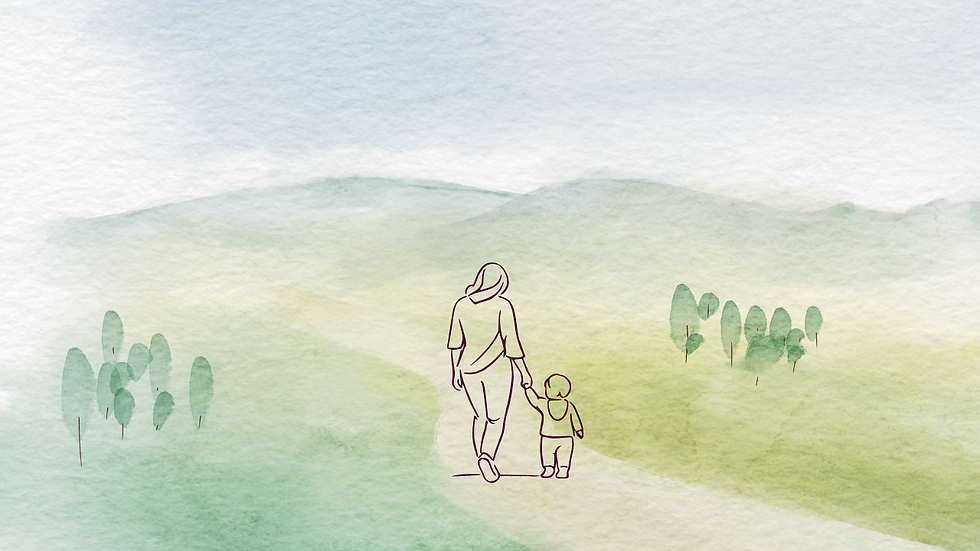
She never breaks down. She holds it together when the rent is late, when her mother is ill, when work piles up, when her heart is heavy. She carries the weight of her family, her community, sometimes entire generations — and she does it with her head held high.
Sound familiar?
If you grew up in a Black, Brown, or minoritized community, you probably know this woman. Maybe she raised you. Maybe she is you.
The 'strong woman' archetype has been passed down through generations as a badge of honour. And in many ways, it is — our mothers, grandmothers, and ancestors survived the unimaginable. Their strength was not optional; it was survival.
But here's what nobody tells you: strength without rest is not resilience.
The Hidden Cost of Being Unbreakable
When society celebrates you for never complaining, never needing help, never falling apart — it becomes impossible to admit when you're struggling. The very trait that's supposed to protect you becomes a prison.
Research consistently shows that Black and Brown women experience higher rates of stress-related health conditions including hypertension, anxiety, depression, chronic fatigue. Not because we're weaker, but because we're rarely given permission to rest. We push through migraines to meet deadlines. We comfort others while our own hearts are breaking. We say 'I'm fine' so often that we start to believe it.
The strong woman narrative doesn't just affect how others see us, it shapes how we see ourselves. We begin to believe that needing support is weakness. That vulnerability is failure. That asking for help means we're letting someone down.
What Strength Actually Looks Like
Here's a radical truth: Real strength includes the courage to be soft.
Strength is saying 'I need a moment' when you're overwhelmed. It's telling your sister 'I'm not okay' instead of performing wellness. It's choosing therapy over silence, rest over hustle, boundaries over burnout.
Our ancestors were strong because they had to be. But they also dreamed of a world where their daughters wouldn't have to carry the same weight. Honoring their legacy doesn't mean perpetuating their pain — it means building the freedom they fought for.
Putting Down the Weight
Unlearning the 'strong woman' narrative is a process, not a moment. Here are some places to start:
Notice when you're performing strength. The next time someone asks how you're doing, pause before automatically saying 'fine.' Check in with yourself. What would you say if it were safe to be honest?
Redefine what 'letting people down' means. Is saying no really a betrayal, or is it self-preservation? Would you expect someone you love to run themselves into the ground for you?
Find your people. Strength in isolation is exhausting. Strength in community is sustainable. Surround yourself with women who celebrate your softness as much as your resilience.
Give yourself the compassion you give others. You would never tell your best friend to 'push through' a breakdown. Why do you expect it of yourself?
You Are More Than Your Capacity to Endure
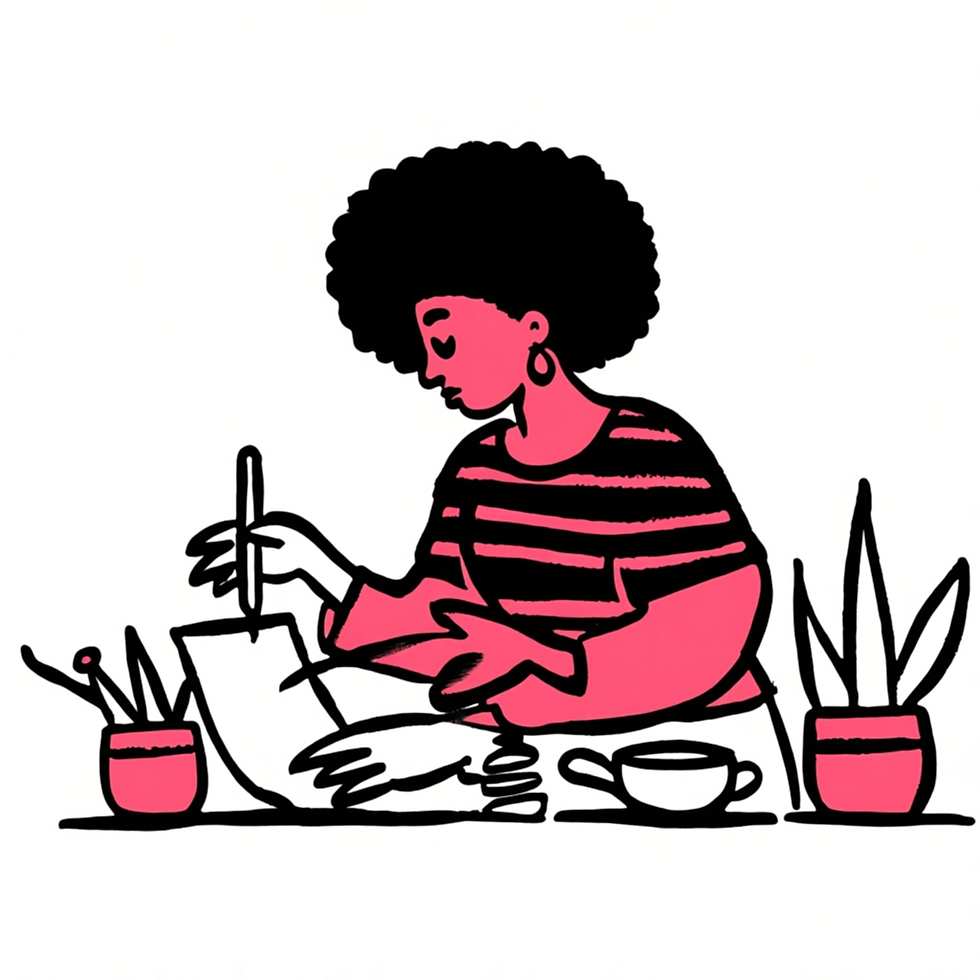
You are not a mule. You are not a machine. You are a whole, complex, beautifully human woman who deserves to be held as much as she holds others.
The weight you've been carrying? You're allowed to put it down. Not forever — just long enough to breathe, to feel, to rest.
Because strength isn't about how much you can carry. It's about knowing when to let go.
Together, we are Free to Rest.

Comments